Theory of Refining
Theory of Refining
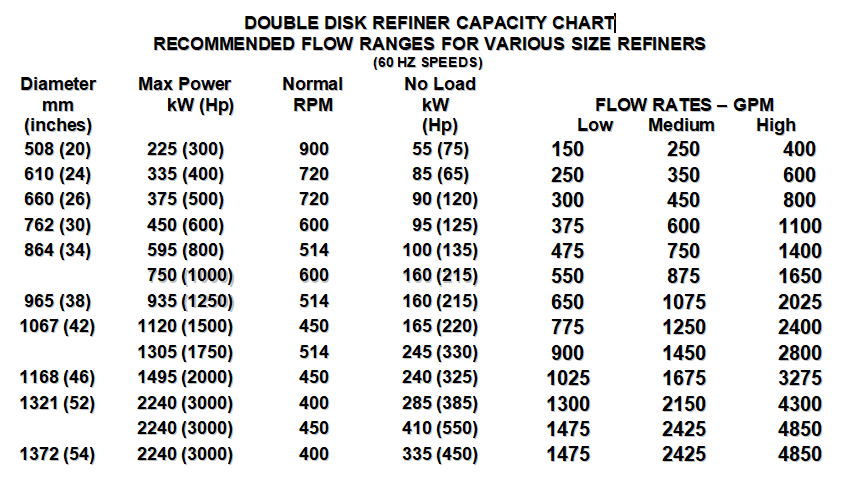
Hydraulics
Why are Hydraulic Conditions Important to Refining?
- Rotor is Stable & Centered
- Increases Probability of Fiber Mat Formation
- Fiber Strength Development Potential is Maximized
- Plate Life Potential is Maximized
- Variation is Minimized
It’s just not a good thing to try to refine metal
Negatives to Low Flow
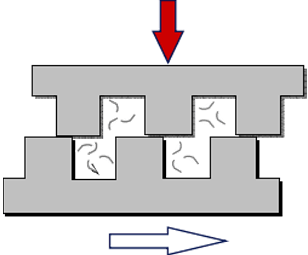
- Little or No Fiber Mat Between Plates
- Fiber Channeling
- High Pressure Rise (25-50 psi)
- Plate Clashing
- Short Plate Life
- Inefficient Refining (power vs fiber development)
- Poor Strength Development
- Increased Fines Generation
Negatives to High Flow
- Inability to Optimize Plate Design For Maximum Strength Development (Compromise)
- Short Plate Life
- Pressure Drop
- Motors Maxed Out
Possible Solutions
Low Flow
- Recirculation
- Parallel to Series
- Pattern Change
- Holdback
- Smaller Refiner
High Flow
- Pump Change
- Series to Parallel
- Pattern Change
- An Additional &/or Larger Refiner
- Increase Consistency
Consistency
Why is the Proper Consistency Important to Refining?
- Increases the Probability of Fiber Mat Formation
- Fiber Strength Potential Maximized
- Plate Life Potential is Maximized
- Variation is Minimized
Effects of Operating Outside Recommended Consistency
High Consistency
- Plate Plugging
- Poor Fiber Development
Low Consistency
- Little to No Fiber Mat Between Plates
- Inefficient Refining
- Poor Fiber Development
- Fiber Cutting
- Plate Clashing
- Short Plate Life
No Load Energy
Definition: The Energy required to spin the rotor in a pulp slurry.
- No Load (kW) = (2.299x10⁻¹³)(Diam4.249)(RPM3)
- Dim = Plate diameter in Inches
- RPM = Refiner rotor speed
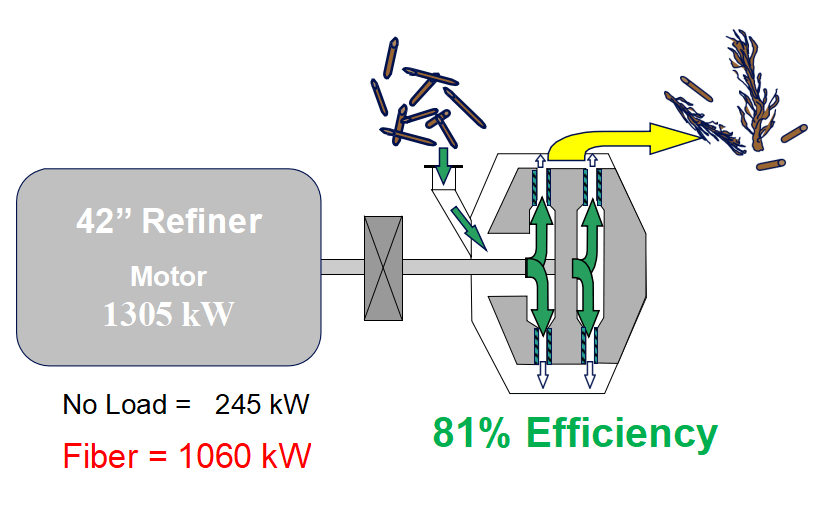
The Refiner is an inefficient pump
Energy Transfer to Fiber
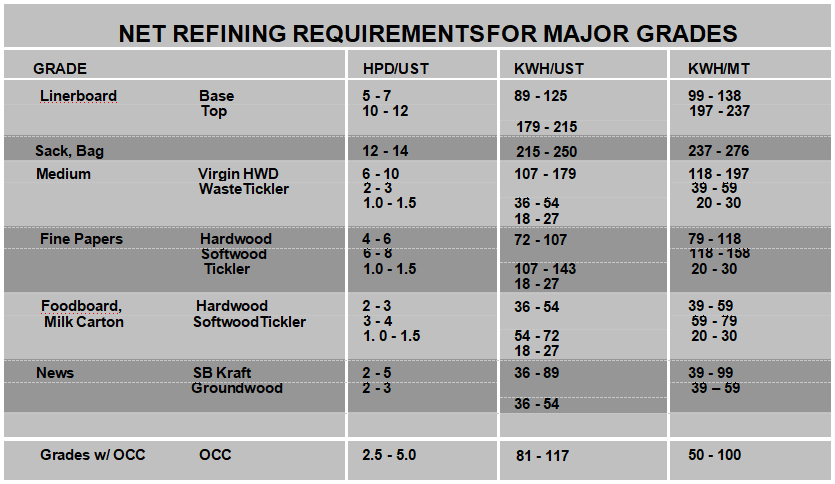
Specific Energy Guidelines